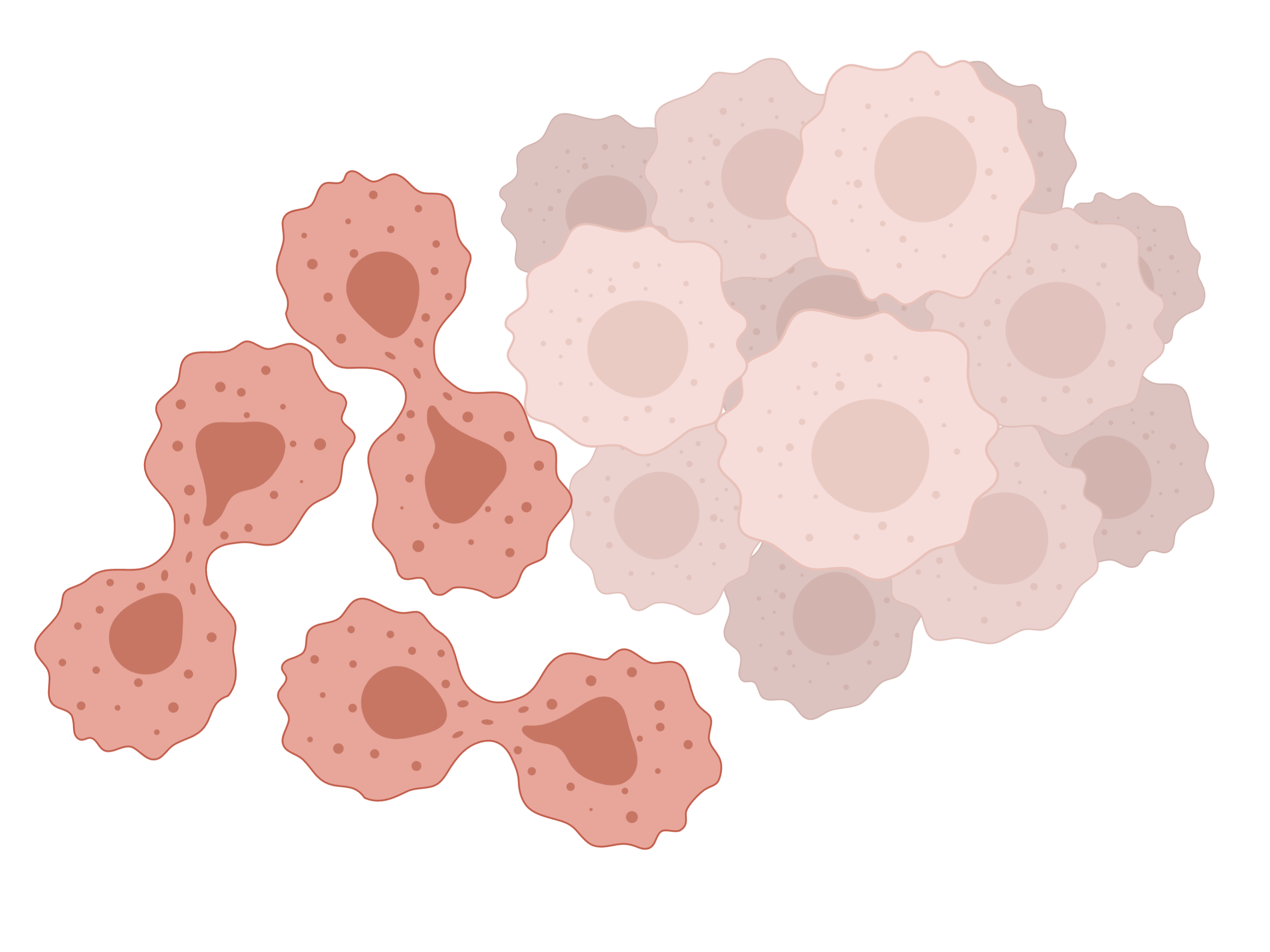
 Myelodysplastic Syndromes (MDS) cover a wide group of blood cancers. One of the most common genetic changes in MDS is the loss of part of chromosome 5. Some patients with this type of MDS are sensitive to a medicine called Lenalidomide, such that they do not require transfusions. Unfortunately, only about 70 per cent of patients respond, and after two years on treatment, about half the responding patients become resistant to the drug. This project will give us a cohesive understanding of mechanisms of resistance to Lenalidomide as well as potentially providing strategies to overcome or bypass resistance. Understanding the mechanism of action of Lenalidomide is not only relevant to MDS, but also to multiple myeloma and other hematologic malignancies.
Mechanisms of Lenalidomide resistance
Canada’s Michael Smith Genome Sciences Centre respectfully acknowledges that we operate on the traditional, ancestral and unceded territories of the xʷməθkwəy̓əm (Musqueam), Səl̓ílwətaʔ/Selilwitulh (Tsleil-Waututh), and Skwxwú7mesh (Squamish) nations who have cared and nurtured this land for all time. We give thanks, as uninvited guests, to be able to live and work on these lands.


